Essential Jade Plant Care Tips You Can’t Afford to Miss: Houseplant Care Guide
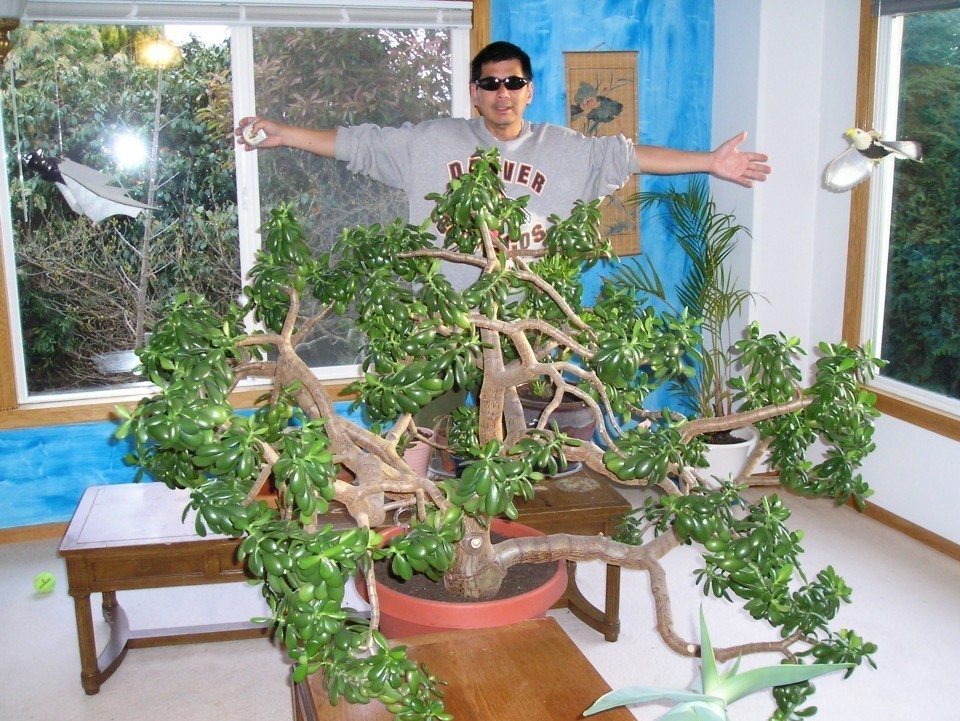
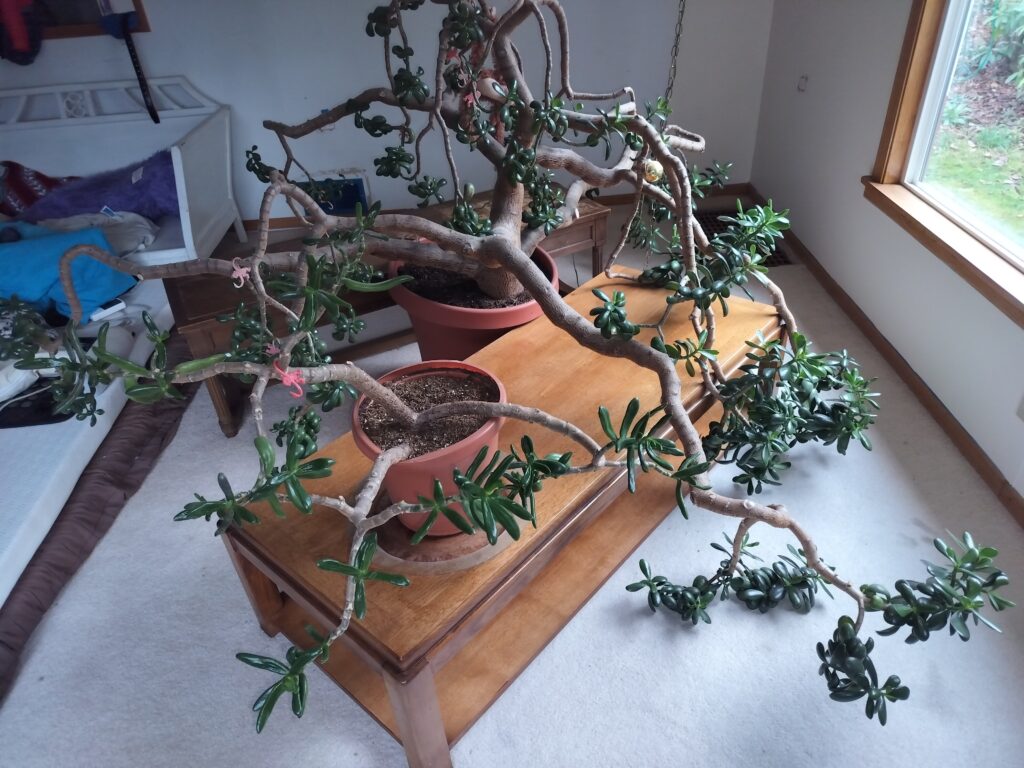
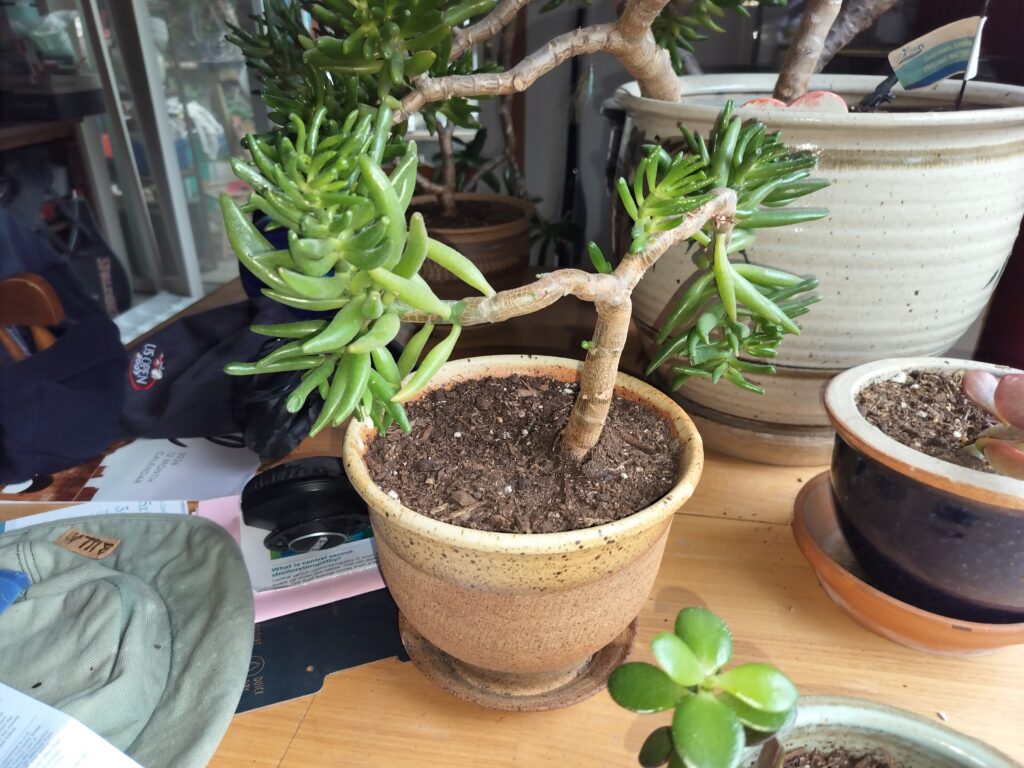
Jade plants (Crassula ovata), also known as money plants or friendship trees, are among the most beloved succulent houseplants in the world. Known for their thick, glossy leaves and tree-like structure, they are not only beautiful but also symbolize good luck, prosperity, and positive energy. While Jade plants are relatively low-maintenance, many houseplant enthusiasts struggle with common issues such as leaf drop, slow growth, or shriveling leaves.
The key to a thriving Jade plant lies in understanding its natural preferences and replicating them indoors. In this guide, we will explore 7 essential care tips to help your Jade plant flourish, stay healthy, and even bloom year after year.
- Choose the Right Light: Sunlight is Key
Jade plants are native to South Africa and thrive in bright, indirect sunlight. Providing the correct light conditions is crucial for growth, leaf color, and overall health.
Optimal Light Conditions:
Place your plant near a south- or west-facing window
Provide 4–6 hours of bright indirect sunlight daily
Rotate the plant periodically for even growth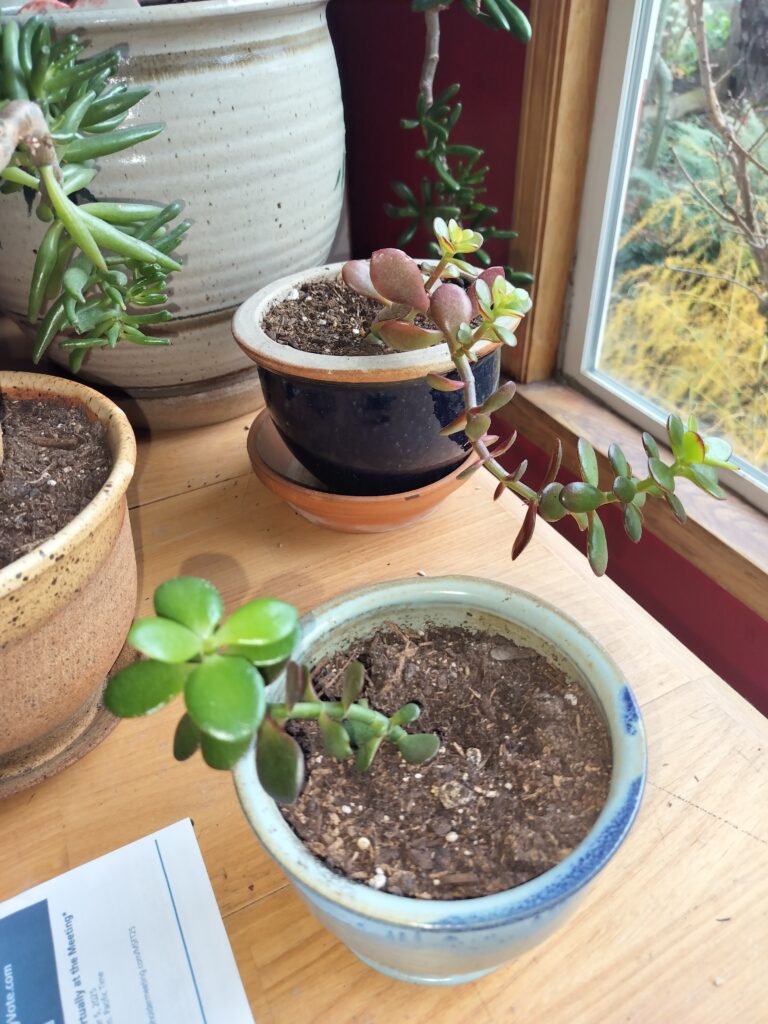
Signs of Too Much Sun:
Leaves turning red or brown
Leaf scorching or crispy edges
Signs of Too Little Sun:
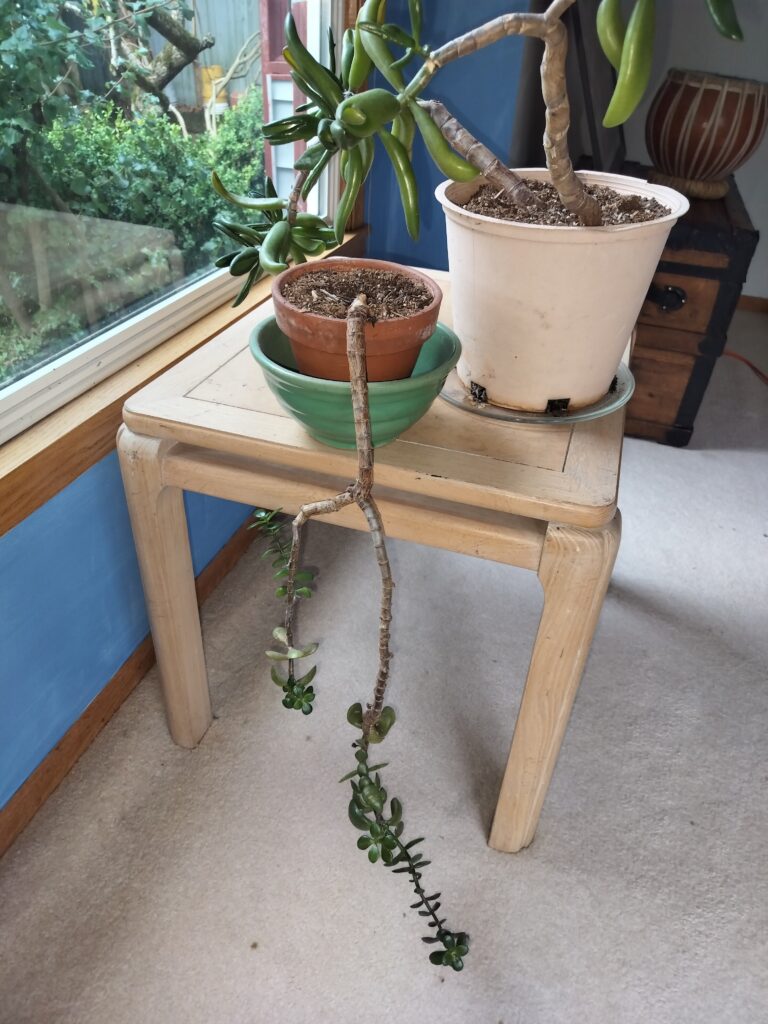
Leggy growth (stretched stems)
Pale or dull leaves
Slow or no growth
💡 Tip: If natural light is limited, supplement with a grow light to maintain your plant’s vigor.
- Watering: The Art of Succulent Care
One of the most common mistakes with Jade plants is overwatering. These succulents store water in their thick leaves, making them drought-tolerant but sensitive to root rot.
Watering Guidelines:
Water only when the top 2–3 cm of soil is dry
Use a pot with drainage holes to prevent waterlogging
Reduce watering in winter when the plant enters dormancy
Signs of Overwatering:
Soft, mushy leaves
Leaf drop
Root rot
Signs of Underwatering:
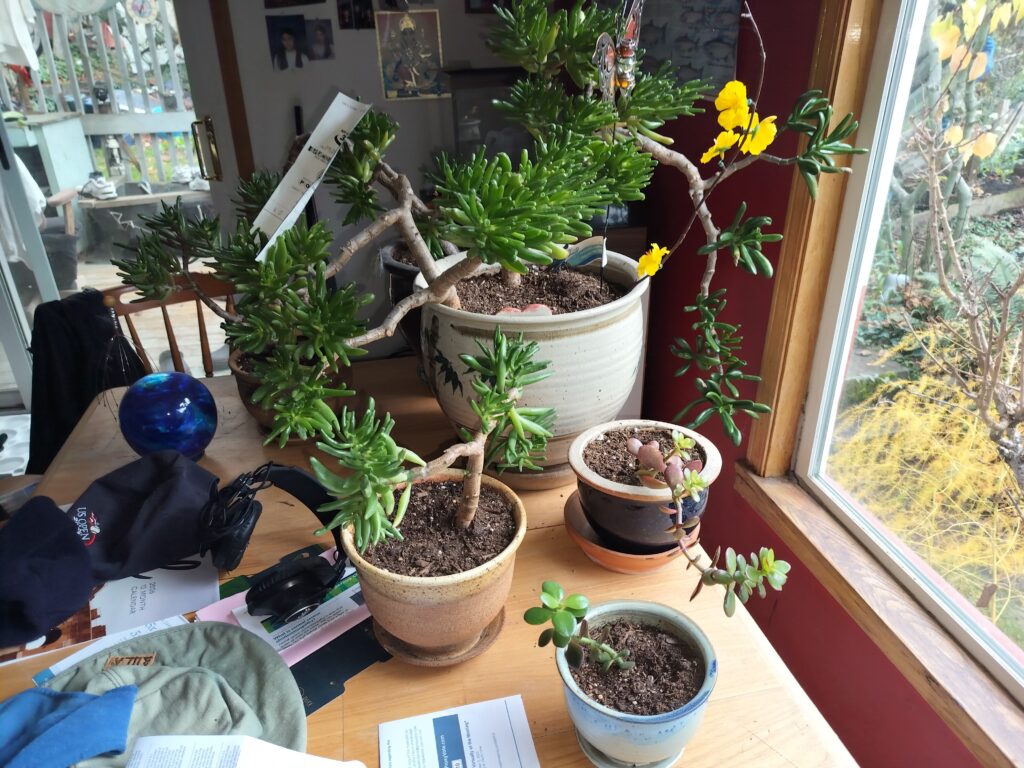
Wrinkled or shriveled leaves
Dry, brittle stems
💧 Pro Tip: During winter, water sparingly — once a month may be enough depending on indoor conditions.
- Soil Matters: Well-Draining Medium is Essential
Jade plants need soil that allows water to drain quickly. Standard garden soil retains too much moisture, which can lead to root rot.
Ideal Soil Mix:
2 parts cactus or succulent potting mix
1 part perlite or coarse sand
Tips:
Avoid using heavy clay or garden soil
Repot every 2–3 years to refresh nutrients and prevent compaction
🌱 Tip: Adding a layer of small pebbles at the bottom of the pot improves drainage and prevents water accumulation.
- Temperature and Humidity: Keep it Comfortable
Jade plants are hardy, but maintaining the right temperature range encourages growth and prevents stress.
Optimal Conditions:
Daytime: 18°C–24°C (65°F–75°F)
Nighttime: 12°C–15°C (55°F–60°F)
Avoid sudden temperature changes or cold drafts
Humidity:
Jade plants prefer low to moderate humidity
Too much humidity can increase the risk of fungal infections
💡 Tip: In winter, keep your plant away from heating vents, radiators, or drafty windows to prevent stress.
- Fertilization: Feed Your Jade Plant Wisely
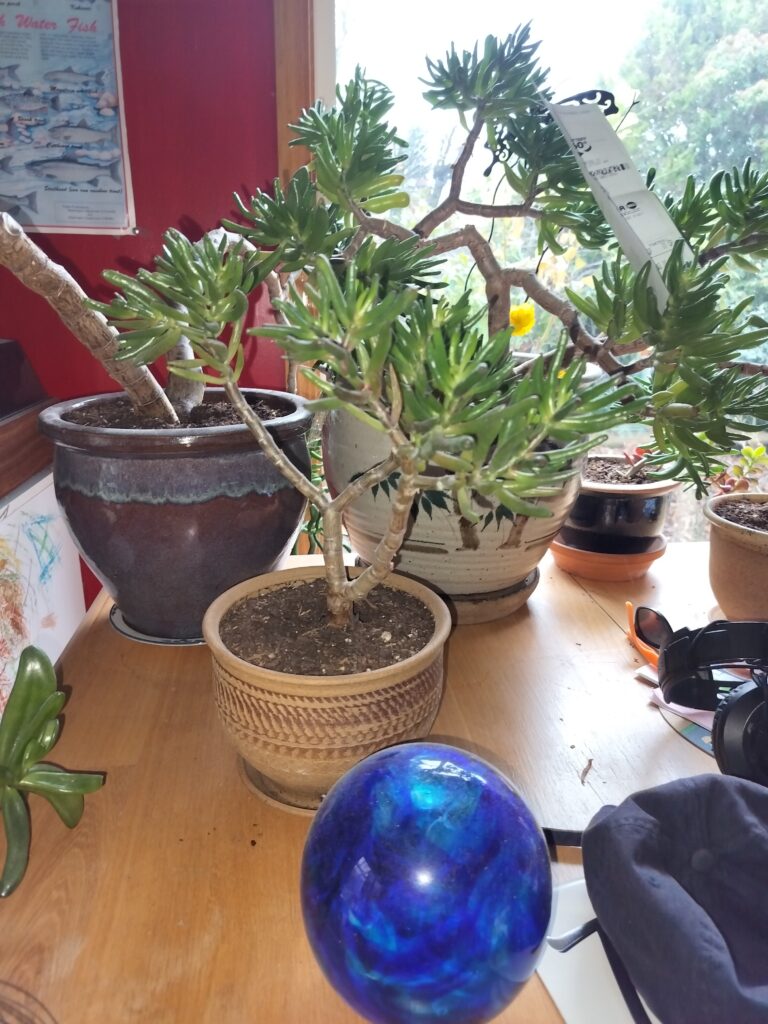
Though slow-growing, Jade plants benefit from periodic feeding during the growing season (spring and summer). Fertilizer encourages new leaves, healthier stems, and more vibrant color.
Fertilizing Tips:
Use a balanced succulent fertilizer (e.g., 10-10-10 or 20-20-20 diluted to half strength)
Fertilize once a month during spring and summer
Avoid fertilizing in fall and winter, when the plant is dormant
Signs of Fertilizer Deficiency:
Yellowing leaves
Weak or stunted growth
💡 Tip: Over-fertilization can harm roots and cause leaf burn, so always err on the side of caution.
c=”//indicateconstablebrushed.com/3abce80528e0fefc8d4d1167f942495d/invoke.js”>
- Pruning and Shaping: Maintain Beauty and Structure
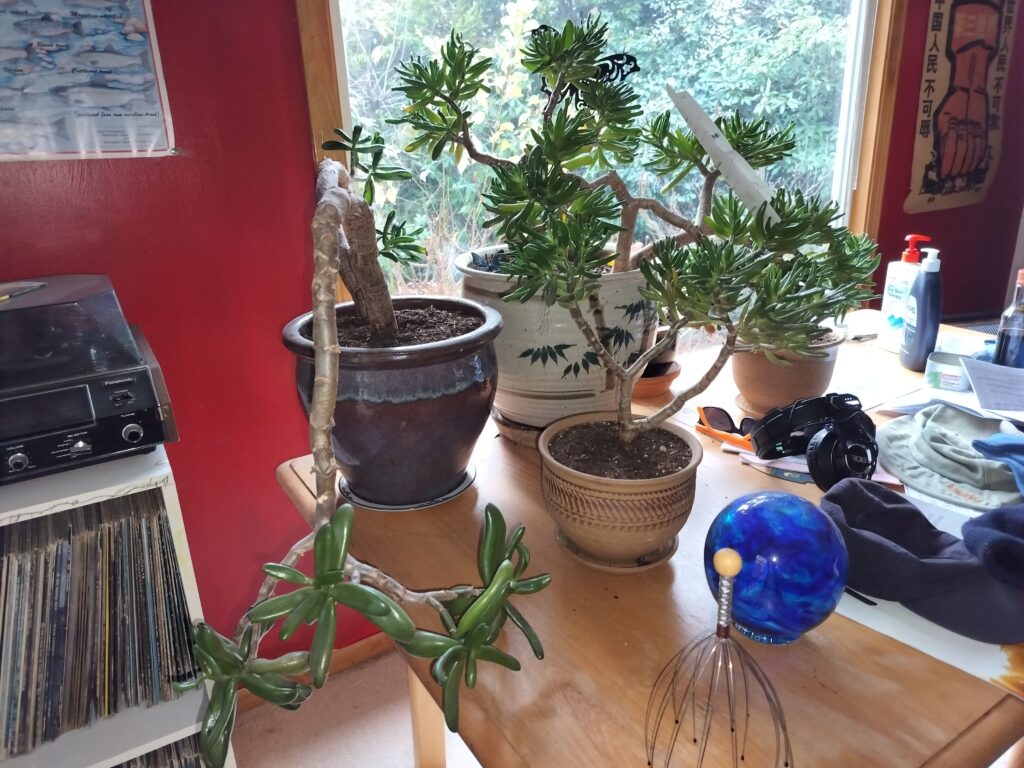
Jade plants naturally grow in a tree-like structure, but pruning helps maintain an attractive shape, remove dead leaves, and encourage branching.
Pruning Tips:
Trim leggy stems or overgrown branches in spring
Remove dead or yellow leaves regularly
Use clean, sharp scissors or pruning shears
Benefits:
Encourages new growth
Improves airflow and prevents disease
Keeps your plant aesthetically pleasing
💡 Tip: Save healthy trimmings — Jade plant cuttings root easily, allowing you to propagate new plants.
- Pest and Disease Management: Stay Vigilant
Though relatively pest-resistant, Jade plants can still be affected by common houseplant pests or fungal issues.
Common Pests:
Mealybugs: small, cottony insects that suck plant sap
Aphids: tiny green or black insects often found on new growth
Spider mites: tiny red or brown pests causing leaf speckles
Prevention & Treatment:
Inspect plants weekly, especially under leaves
Wipe leaves with a damp cloth
Use neem oil or insecticidal soap for infestations
Common Diseases:
Root rot from overwatering
Leaf spots from excessive moisture
💡 Tip: Quick action can prevent small pest problems from becoming serious infestations.
Bonus Tips for Thriving Jade Plants
- Repot in Spring Encourage growth with fresh soil
Use a slightly larger pot to allow root expansion - Rotate Regularly Turn your plant periodically for even light exposure and balanced growth
- Encourage Flowering Provide bright light and moderate watering
In rare cases, mature plants can produce small clusters of star-shaped white or pink flowers - Propagation Made Easy Leaf or stem cuttings root readily in soil or water
Perfect way to expand your collection or share with friends
Quick Summary of 7 Jade Plant Care Tips
Tip Key Point
- Light Bright, indirect sunlight 4–6 hrs/day
- Watering Only when top 2–3 cm soil is dry; reduce in winter
- Soil Well-draining succulent mix with perlite
- Temperature & Humidity Day 18–24°C, night 12–15°C; low to moderate humidity
- Fertilization Balanced fertilizer monthly during growing season
- Pruning & Shaping Remove dead leaves, trim leggy stems, encourage branching
- Pest & Disease Control Inspect regularly, use neem oil, avoid overwatering
Final Thoughts
Jade plants are resilient, low-maintenance, and visually stunning houseplants, but they thrive best when their unique needs are met. By providing proper light, watering, soil, temperature, and nutrition, and by keeping pests and diseases in check, your Jade plant can grow strong, healthy, and even flower indoors.
Following these 7 essential care tips will help you cultivate a lush, glossy, and vibrant Jade plant that enhances your home, improves indoor air quality, and brings beauty and positive energy to your space for years to come.