How To Revive A Jade Plant Before It’s Too Late
Jade plants are thought to bring positive energy and luck since their thick round leaves resemble coins. But if your plant isn’t so lucky and seems to be struggling, you can revive it with the right steps. Like other succulent plants, jade plants (Crassula ovata) thrive in bright sunlight and warm temperatures, and they do best in well-draining soil that keeps them from being soggy. Too much or too little water or light can lead to signs of struggle for these long-lived plants. Their thick, fleshy stems and leaves store water, so they don’t need frequent waterings, and they like to dry out. If you notice your jade plant’s leaves are wrinkly, mushy, or yellowing, or they are dropping, it’s trying to tell you something. It’s probably not too late to revive your jade plant and give it the care it needs. Here’s what could be causing problems with your jade plant and how to fix them.
What Is A Jade Plant?
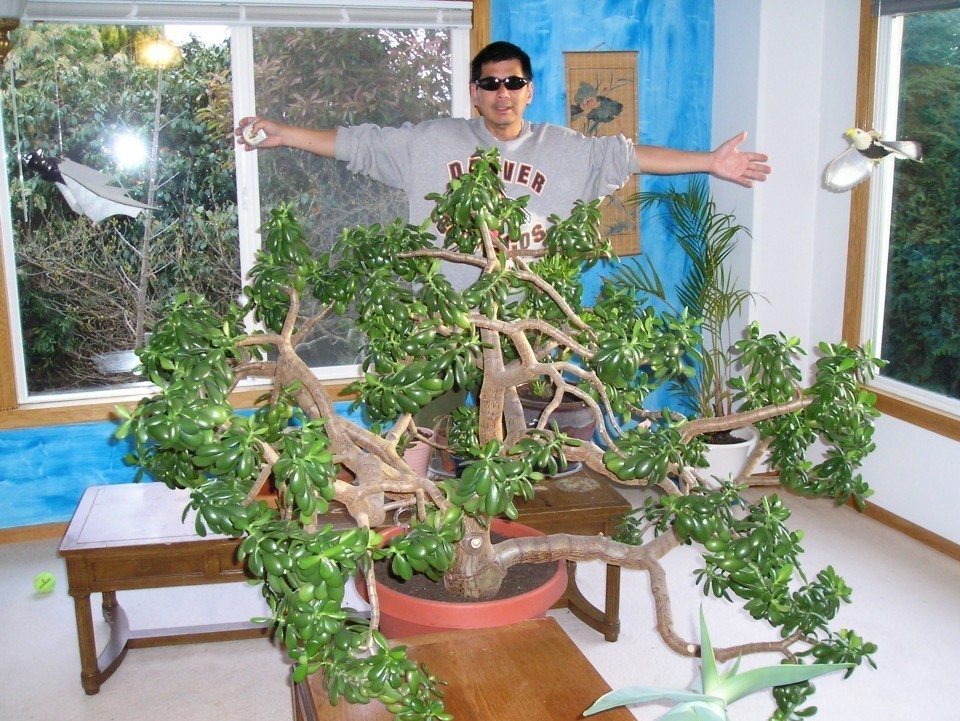
Native to South Africa, jade plants are pretty low-key houseplants for beginners. They can handle dry conditions thanks to their thick fleshy leaves and woody stems. In their natural habitat, they can grow to 6 feet tall and live for 100 years. Gardeners in USDA Planting Zones 11-12 can grow them outdoors, but everywhere else, they should be grown indoors. Set them in a sunny window and water every few weeks for basic care. Since they don’t mind being somewhat root-bound, repot them every two or three years.1
How To Revive A Jade Plant
A jade plant that’s getting inadequate amounts of water and light will show signs it’s not doing well. Here’s what to look for, what the signs mean, and how to get your jade plant back on track to good health.
Too Much Water
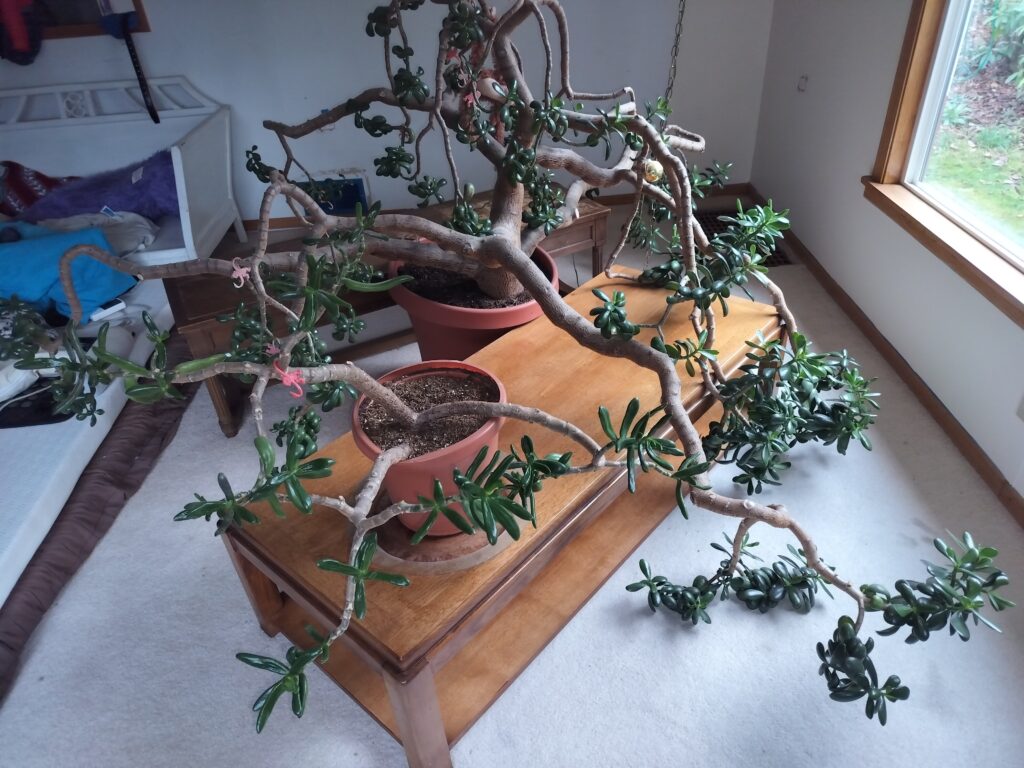
Jade plants have firm, fleshy, oval leaves. If they begin to soften or yellow or they are mushy, that means the plant is getting too much water. Since they store water in their leaves, they don’t need watering as often as other houseplants. Plan to water your jade plant every two to three weeks, but always check the moisture in the soil first. Poke your finger a few inches into the soil, and if it’s dry, you can water it. Wait another day or two if the soil is moist and test again.
If your jade plant’s leaves are mushy and the soil is soggy, remove the plant from the pot and cut off black, brown, or mushy roots. Repot the plant in fresh soil, and reduce watering. Cactus or succulent potting mix will allow for good drainage, and making sure the pot has several drainage holes will also help.
Not Enough Water
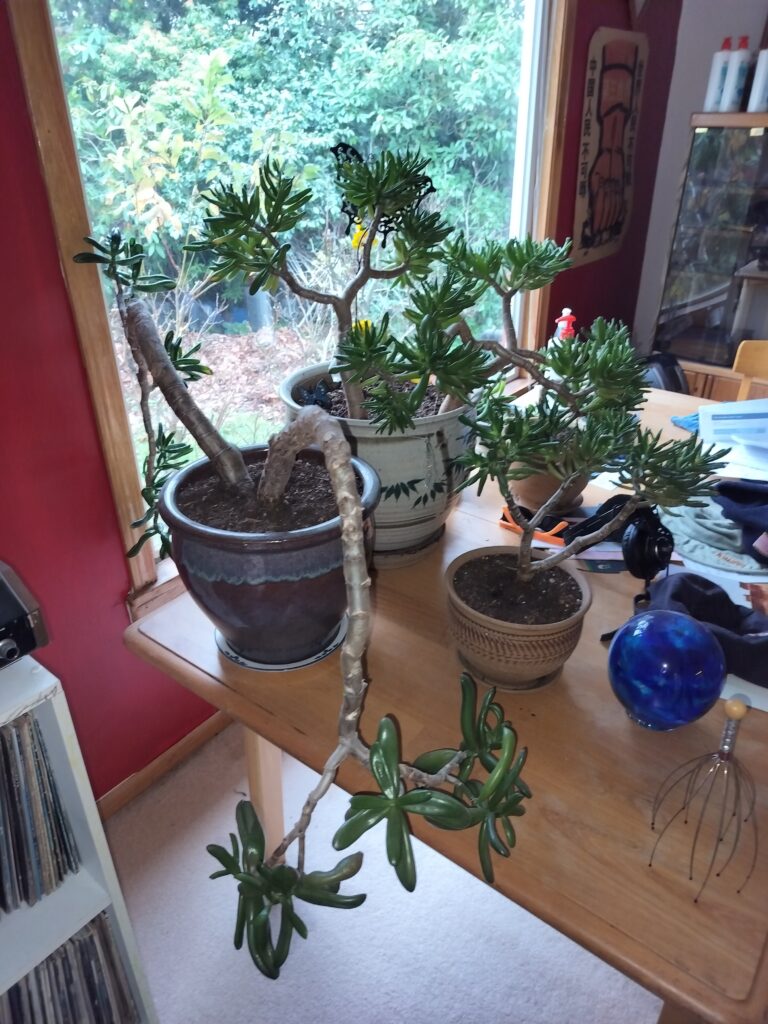
If you see wilting or wrinkled leaves that appear thinner than usual, your jade plant needs water. A deep, thorough soaking should help. To water from the top, hold the plant under running water or use a watering can to pour water over the soil until you see water coming from the pot’s drainage holes. Avoid getting the leaves wet. Let excess water drain. For bottom watering, set the pot in a tray of water for 20 to 30 minutes or until the top of the soil feels moist. Let the pot drain so the plant isn’t sitting in water.
You’ll need to water a jade plant more often in the summer as water evaporates more quickly and less often in the winter, so take that into account with the change of seasons.
Too Much Sun
Just like us, plants can get burned by the sun. If your jade plant has brown spots or dry white patches, it’s likely suffering from leaf scorch. The leaves may turn a red or purple color, they may shrivel from loss of moisture, or they may drop from the plant. Let the plant recover in bright, indirect or dappled sunlight for a week, then gradually move it back into more light. Morning and evening sun are too hot for jade plants, so grow them in a south- or west-facing window where they can get four to six hours of morning or late afternoon sun each day.
Not Enough Sun
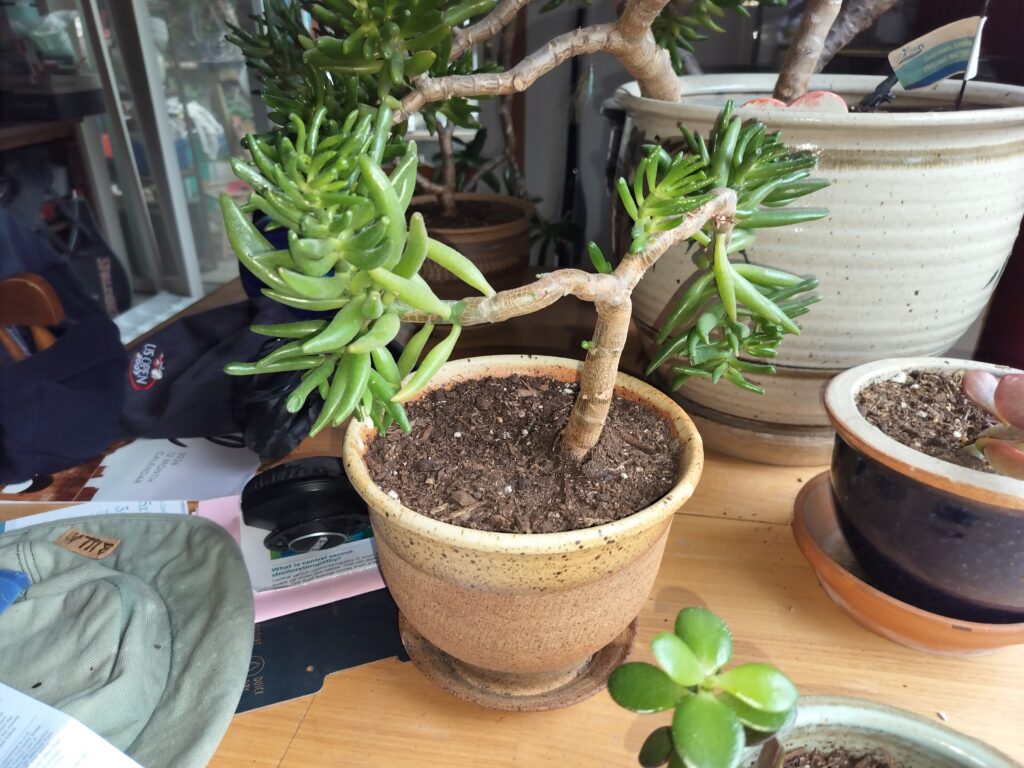
A jade plant that isn’t getting enough sun will have leggy stems that lean heavily to reach sunlight. This will give your jade plant an odd, sparse shape rather than the fully, bushy look of a healthy plant. There may be gaps between the leaves and it may have slow or no growth. You can supplement with a grow light if your plant isn’t getting enough sun in your home. Try an LED version for six to eight hours each day to help it along. To get the plant back on track, cut it back into a compact shape and rotate it regularly to ensure all sides will receive sun.
Pests
Yellowing or shriveled leaves and stunted growth can also be signs of pests. Check a struggling jade plant closely. If you notice webbing, white fluff, or waxy brown bumps on the leaves, those are signs of pests like mealybugs, scale, and spider mites. Separate the jade plant from other plants so the pests won’t spread, then wipe the leaves with neem oil. You can remove pests by hand using a cotton swab dipped in rubbing alcohol.